yvel
Middle English
Etymology 1
From Old English yfel, from Proto-West Germanic *ubil, from Proto-Germanic *ubilaz, of disputed further etymology.
Alternative forms
- evel, evell, eveyl, evil, evill, evyl, evyll, ivel, ivil, ivyll, yvell, yvle, yvyl, yvyll
- ifel, ufel, yfel (Early Middle English); ifell (Ormulum)
- eovel, uvel (Southern, West Midland)
Pronunciation
- IPA(key): /ˈivəl/, /ˈeːvəl/
- IPA(key): /ˈyvəl/ (West Midland)
- IPA(key): /ˈɛvəl/, /ˈɛ̝ːvəl/ (Kent)
Adjective
yvel (plural and weak singular yvele, comparative worse, superlative worst)
- Morally evil; iniquitous, malign
- Causing harm; injurious, damaging:
- (pathology) infected, abnormal
- Causing trouble; tendentious, irascible
- Not pleasing; unpleasant, foul.
- Worthy of pity; pitiful, sorry.
- Having bad fortune; unlucky, unfortunate
- Of poor design or manufacture; bad, shoddy
- Disparaging, negative, uncomplimentary.
- Not trusted; untrustworthy
- Not easy; challenging, hard
Related terms
Descendants
References
- “ivel, adj.”, in MED Online, Ann Arbor, Mich.: University of Michigan, 2007.
Noun
yvel (plural yveles)
- Moral evil; iniquity, wrongness:
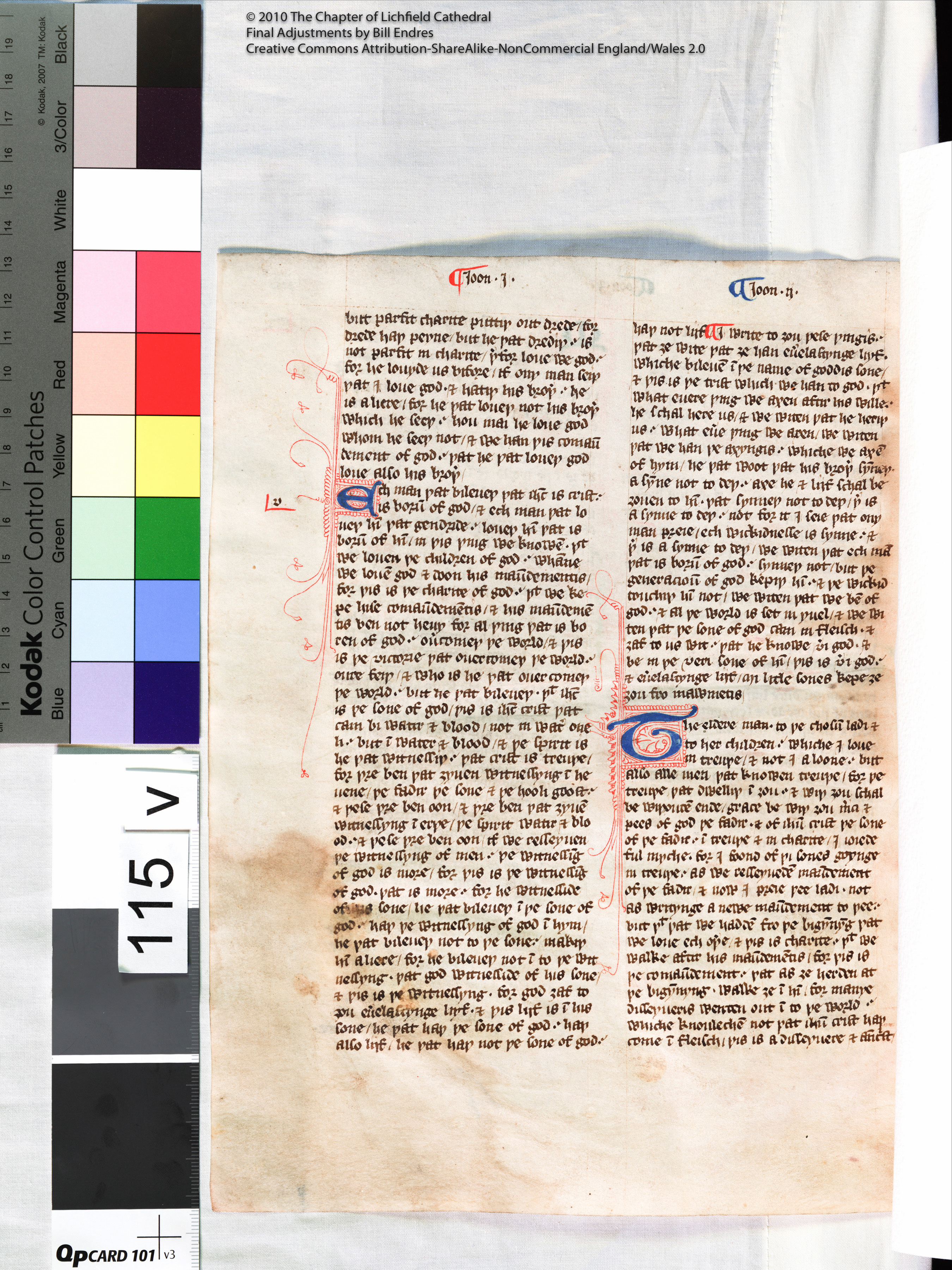
- c. 1395, John Wycliffe, John Purvey [et al.], transl., Bible (Wycliffite Bible (later version), MS Lich 10.)[1], published c. 1410, Joon ·i· 5:19, folio 115, verso, column 2; republished as Wycliffe's translation of the New Testament, Lichfield: Bill Endres, 2010:
- we witen þat we ben of god .· ⁊ al þe woꝛld is ſet in yuel
- We know that we are from God, and that all the world is stuck in evil.
- A sin or moral transgression.
- An evil or malicious being.
- Harm, injury, trouble:
- Someone or something that harms or troubles.
- A malady or disease.
- (rare) Negative or uncomplimentary speech.
Descendants
References
- “ivel, n.”, in MED Online, Ann Arbor, Mich.: University of Michigan, 2007.
Etymology 2
Adverb
yvel
- alternative form of yvele